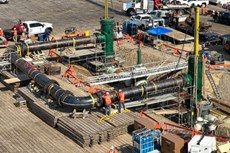
STATS Group’s BISEP provides verified, leak-tight double block and bleed pipeline isolation through a single hot tap intervention. Its independently tested seals and monitored zero-energy zone improve safety, maintain operational continuity, and reduce emissions. Proven across hydrocarbons, hydrogen, CO2, and subsea applications, BISEP sets a benchmark for modern pipeline hot tapping and line stopping worldwide.
Pipeline Integrity Intelligence moves beyond periodic inspections by integrating ILI data, hydraulic simulation, SCADA, GIS, maintenance records, and AI into a unified digital pipeline model. This continuous, near real-time view of asset condition helps operators improve decision-making, manage risk proactively, and optimise integrity management throughout the pipeline lifecycle.
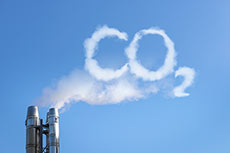
New analysis finds land and ocean sinks are weakening and carbon prices and coverage fall short of what is needed to protect them, leaving net zero strategies built on unverified foundations.
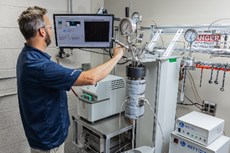
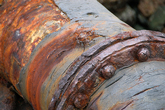
Tim Mally, Director, Pipeline Integrity, Henkel, suggests that composite research is pushing the envelope for remediating complex pipeline integrity threats.
Simon Ellis, Senior Policy and Analysis Advisor, International Gas Union (IGU), considers a strategic imperative for energy security, development, and the energy evolution in Latin America.
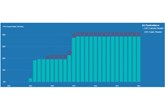
Dauren Kazimbek, Business Development Manager for SMARTCORR, highlights how asset life can be extended through real-time corrosion monitoring in the oil and gas industry.