“The initiative aligns with the Government of India’s twin commitment to sustainability and carbon neutrality. We are not just laying a pipeline and building a foundation for a sustainable and equitable energy future across South India, but also enhancing the availability of natural gas and creating immense opportunities for economic growth and job creation in the region,” said Dr Anil Kumar Jain, Chairperson, PNGRB.
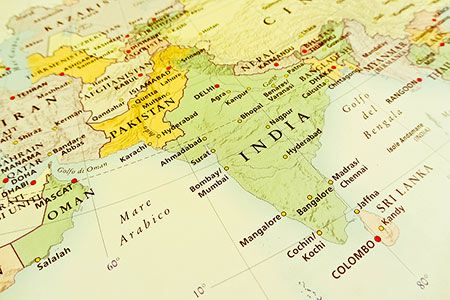
The pipeline will create a crucial link between the Kochi LNG terminal operated by Petronet LNG Limited and the Indian Oil Corporation Limited’s Ennore-ThiruvallurBengaluru-Nagapattinam-Madurai-Tuticorin pipeline at Thoothukudi. The proposed 425 km pipeline project aims to empower underserved regions, including Kanyakumari and its neighbouring districts in Kerala and Tamil Nadu, ensuring efficient access to natural gas for various sectors, particularly City Gas Distribution (CGD) entities. Under Regulation 5 of the PNGRB (Authorising Entities to Lay, Build, Operate or Expand Natural Gas Pipelines) Regulations, 2008, the pipeline will have an initial capacity of at least 6.0 million m3/d.
The project is expected to significantly contribute to completing the national gas grid, facilitating a more equitable natural gas distribution across south India. The initiative aims to elevate natural gas’s share of the country’s energy mix from the current 6% to an impressive 15% by 2030. Natural gas, known for its cleaner-burning properties compared to oil and coal, is pivotal in addressing environmental challenges and meeting energy demands. PNGRB has authorised all mainland geographical areas to develop a CGD network to achieve the target. As of June 2024, 33 475 km of Natural Gas pipeline had been authorised, 24 921 km of which are operational, and 10 789 km are currently under various stages of construction.