
When Do I Need a Dairyland Decoupler?
Published by Kristian Ilasko,
Digital Content Coordinator
World Pipelines,
Dairyland decouplers are recommended any time it is necessary to isolate direct current (DC, e.g. cathodic protection current) while simultaneously allowing a path to ground for alternating current (AC) faults and lightning-induced over-voltage events. The primary application of a decoupler is electrical isolation of cathodically protected structures from AC mitigation systems, facility grounding systems or adjacent metallic infrastructure.
Cathodic protection
In the oil and gas industries, metallic structures (such as pipelines and storage tanks) require corrosion protection through the application of cathodic protection (CP) systems. These systems typically use rectifiers to deliver DC to the metallic structure, shifting its electrical potential in the negative direction to a level that effectively prevents corrosion. By maintaining the structure at a sufficiently negative potential relative to the surrounding soil or electrolyte, the electrochemical reactions that cause corrosion are suppressed, significantly extending asset service life and preventing costly failures.
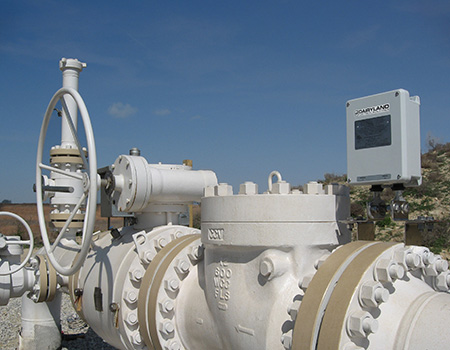
The effectiveness of a cathodic protection system depends on maintaining consistent current flow to all areas of the protected structure. Any unintended current pathways can compromise this protection, leaving portions of the asset vulnerable to corrosion damage. This is particularly critical in pipeline systems where even localised corrosion can lead to leaks, environmental contamination, and safety hazards.
Electrical safety requirements
Corrosion control professionals are also responsible for protecting personnel from electrical hazards, including overvoltage conditions caused by lightning strikes and AC fault events. Compliance with these safety requirements mandates effective grounding of electrical equipment and protecting people from touch and step voltages. Proper electrical equipment grounding provides a low-resistance path for fault currents and lightning to dissipate safely into the earth while also limiting dangerous touch and step voltages that could harm personnel working on or near the equipment or above grade piping.
The grounding-CP conflict
These two goals, effective cathodic protection and electrical safety grounding, are inherently at odds. Grounding systems create unintended current pathways that divert cathodic protection current away from the protected structure to ground grids or other electrically connected infrastructure. This drains the cathodic protection current and frequently prevents the structure from achieving the negative potential levels required for adequate corrosion control. In severe cases, the CP system may become entirely ineffective, leaving critical assets vulnerable to accelerated corrosion and premature failure.
The challenge is further complicated in facilities where multiple grounded systems converge, such as pipeline crossings near electrical substations or interconnected facility piping networks. In these environments, CP current can be drained through multiple pathways, making it nearly impossible to maintain adequate protection without a decoupling solution.
The decoupler solution
Decouplers resolve this conflict through solid-state technology that enables safe grounding of structures while preserving cathodic protection effectiveness. The device blocks DC current flow (preventing CP current loss) while maintaining electrical continuity for AC fault currents and lightning transients. This functionality – known as ‘decoupling’ – can be defined as: utilising a device that isolates direct current while simultaneously providing a low-impedance path for electrical safety grounding.
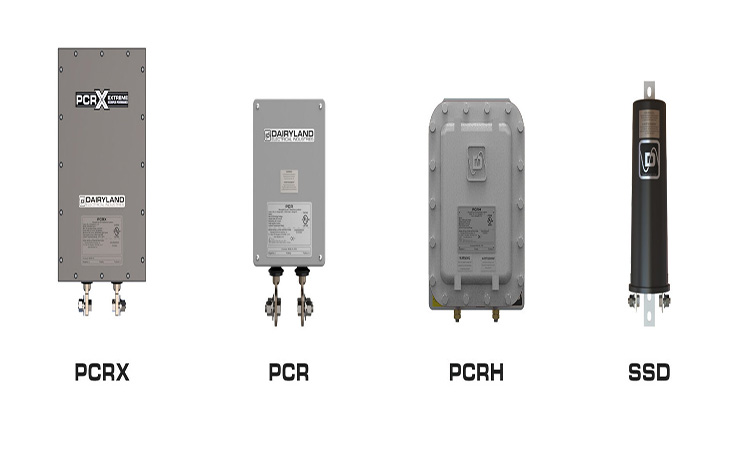
Common decoupler applications
DC decouplers are utilised across a range of critical applications, including:
- Isolation of electrical equipment from grounding systems while maintaining compliance with electrical safety codes.
- Overvoltage protection for insulated pipeline joints.
- Connecting cathodically protected pipelines to AC mitigation systems.
- Bonding cathodically protected pipelines to gradient control mats.
- Connecting cathodically protected power cable sheaths and casings to substation grounding grids.
- Separating cathodically protected facilities from utility grounding systems at service transformer locations.
To find out more about Dairyland see here.
Read the article online at: https://www.worldpipelines.com/special-reports/02032026/when-do-i-need-a-dairyland-decoupler/
You might also like
The World Pipelines Podcast
A podcast series for energy professionals featuring short, insightful interviews with experts who can shed light on topics that matter to you and your business. Subscribe on your favourite podcast app to start listening today.


